ginger's thoughts

Silvia's blog

Tag: coviu

The Making of Coviu

Cross-posted from LinkedIn.
The Making of Coviu

The creation of a company

As I prepare to step away from Coviu, I am being asked by several startup founders to share some insights and lessons learnt. I’ll reflect on the creation story of Coviu as we grew from a research project to a VC-invested health technology startup, to a profitable SME. Like any other business, Coviu has had its ups and downs. I hope you’ll find some helpful insights, particularly if you are spinning out of a research institution.

1. The beginnings of Coviu: research

Coviu was created from a research project started in 2012 at NICTA under Dr Terry Percival. At that time, we were exploring the use of WebRTC - a new video conferencing technology in the Web browser - for healthcare and government services use cases.

I was active in the W3C - the body that writes the standards for the web - in creating the specifications for video on the Web, including WebRTC. I built a local Sydney-based community around the early use of this technology and created one of the very first implementations of a working video conferencing call in a web browser. We were at the forefront of research in WebRTC at the time, and - boy - did we push the boundaries of technology, particularly in trying to be cross device compatible.

Terry raised a research grant for the project, and I was able to hire a small research team around the technology to explore industry use cases.

One of the areas that we explored was Telehealth: more specifically, we worked with Royal Far West School on a proof of concept for the delivery of speech teletherapy into schools in the rural areas of western NSW. They had used a clunky interface built with legacy software to support their telepractice services and were excited about the modern web interface that we were able to provide. The project was called “Sounds, Words, Aboriginal Language and Yarning” (SWAY) and can be found at https://sway.org.au/.
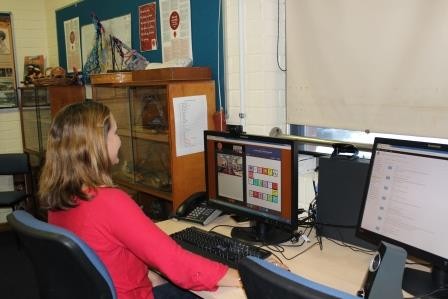
SWAY product in action SWAY product in action

We demonstrated this interface to several NICTA visitors, including healthcare specialists, surgeons from leading hospitals, primary care physicians, and even politicians. They all saw this technology’s potential to make Telehealth a universally accessible capability in Australia. So, our team decided to build out the demonstrator into a proper web application that could be commercialised by NICTA/CSIRO.

LEARNINGS:

The early days of a startup are often messy. You have an idea, you talk with a lot of people about it, you zero in on a specific use case, talk with potential users, build a demonstrator, and build an early team. It’s still pretty non-committal. Everybody is chipping in their spare time and free advice. We were lucky to be funded by a government grant to develop the first demonstrator and to be able to execute this work within the safe confines of a NICTA/CSIRO job so we could focus on product development and use cases. We made sure at this time to set everything up for a startup: particularly that there was no joint IP ownership with other institutions, as that would have caused a lot of headaches down the road.

2. Making it real: commercial value

The next step was to consider how to commercialise our ideas and technology. We needed a market that would buy what we built, we needed a product idea that would have commercial value, we needed a business model through which we could charge customers, and we needed a path to give CSIRO a commercial return for the work.

There were several Product/Market/Business Model combinations that we explored:

  • the creation of an Open Source project that would make money from support contracts. This actually progressed and became http://rtc.io with a GitHub repository that was at one stage used by several businesses and made some small consulting income for NICTA. However, the problem that we solved was mostly the cross-browser incompatibilities. These went away as the WebRTC technology matured, so this wasn’t really a scalable business.
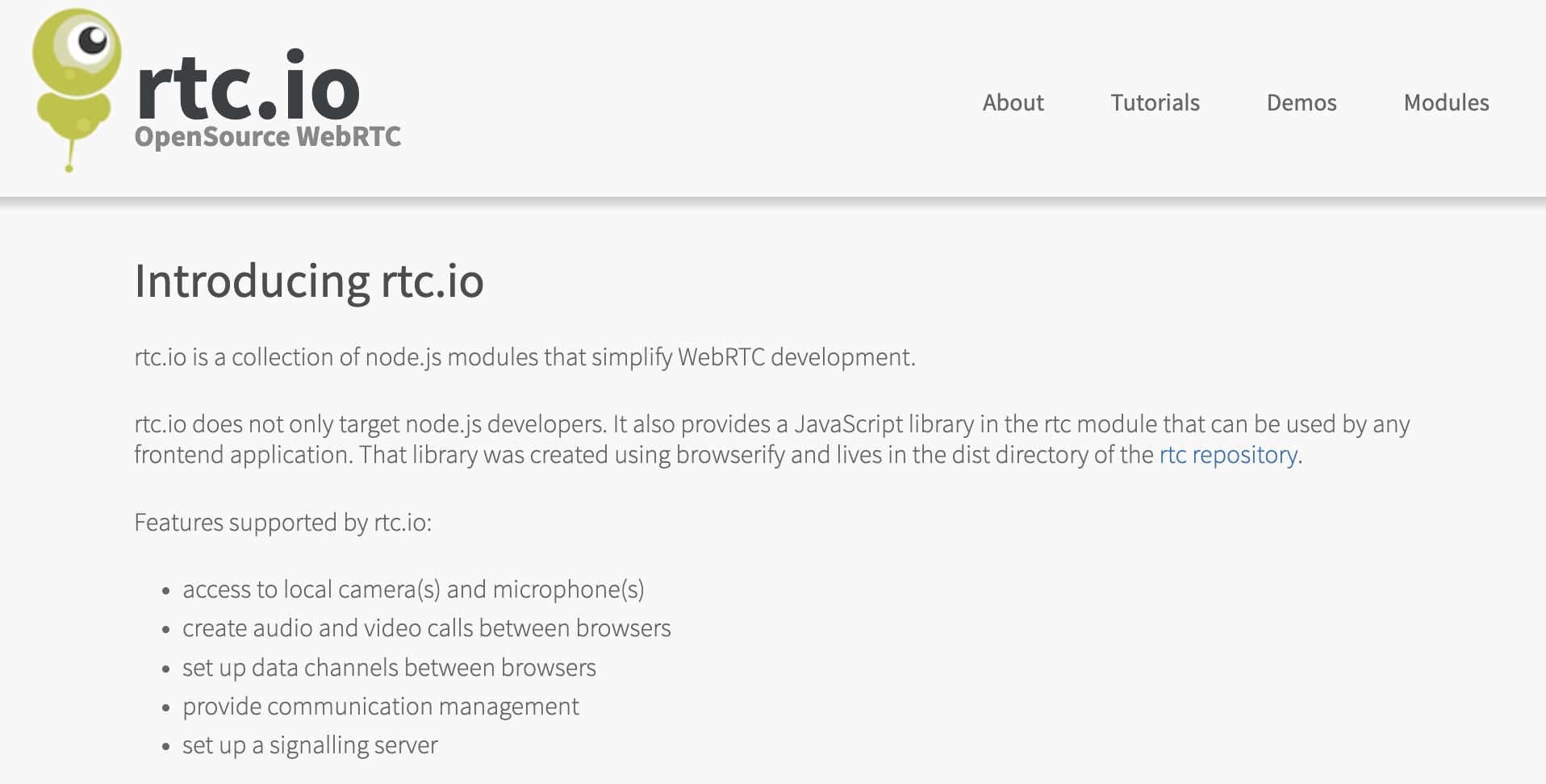
Open Source WebRTC library Open Source WebRTC library

  • the creation of a PaaS (Platform as a service) where we would build the backend technology required to run WebRTC applications and offer an API for customers that would build their market-specific application on top. This is the Twilio API approach. We worked a bit in this space, but several well-funded startups had a head start, including TokBox, which later was acquired by Vonage. Several successful companies are now playing in this space, incl. daily.co, agora.io and jitsi.

  • the creation of a tech consulting business where we would help others build their WebRTC applications (using our own or somebody else’s PaaS). This is what WebRTC Ventures is doing. As a business out of Panama, they have access to affordable developers, which is what you need to make such a dev-focused business scalable. We could not compete.

  • the creation of a software platform that would allow us to offer a virtual service solution for several markets, which included healthcare, finance, government services etc. The idea was to customise and white-label the software as an enterprise solution for large organisations, a bit like what Stackoverflow does for online community platforms.

All of these product ideas targeted different markets, and we explored the size of almost all of these markets at NICTA and later at CSIRO’s Data61. We had a massive spreadsheet with detailed market size estimates that identified the different market’s TAM, SAM and SOM.

We also built demonstrators for all of these products and tested market adoption by interviewing potential customers. A basis was laid for commercialisation into several different companies. But NICTA/CSIRO could not support such a diverse market entry.

It became apparent very quickly that to sell into this many different markets with this many different products, we needed specialised tech configuration, sales and support staff for each one. Each was a different business that would need a leader. NICTA/CSIRO asked me eventually what I wanted to focus on and whether I would be willing to lead a spinout. A tough question when you’re a technology leader who’s just trying to create valuable IP for a research organisation.

I eventually decided to follow my heart with a focus on the most impactful market, which was dearest to me: the healthcare market. We left some of the other opportunities behind with CSIRO, but since there was no leader behind any of the other opportunities, the rest of the technology and opportunities eventually disappeared.

LEARNINGS:

The biggest learning here is that you have to make choices. Executing on all possible commercialisation opportunities for a new technology or idea isn’t feasible. Pick one, be ultra-focused and execute on that. You don’t have the bandwidth.

We spent several years going through the motions and different platforms to test the market, but ultimately, the interest and passion of the key leader will make the decision, so don’t waste time on covering all the possible opportunities (we were only able to do this because we were at CSIRO).

Interestingly, Coviu still has some generic language in its platform from back in those days when we experimented with using the platform for several markets - the impact from the early work you do has a long-lasting effect!

3. Getting ready for independence

In parallel to exploring all these different market opportunities, I worked on a way to spin the project out of NICTA/CSIRO into an independent company. We registered “Coviu Global Pty Ltd” as an Australian business in December 2015. This allowed us to set up a bank account through which we could collect payments for the self-service platform that we had created - something that NICTA/CSIRO wasn’t able to provide for - so we collected the revenue for NICTA/CSIRO in that separate bank account. The first payment came only in mid-2016, which felt like an eternity.

I was starting to talk to potential investors, particularly VCs, as I was hopeful to get at least 50% of the 12-person large project team into a startup. The VCs gave me the feedback that this was too big of a founding team for a company selling into an emerging market with very little revenue. As it turned out, most team members weren’t interested in taking a risk on a startup anyway.

I also needed to get the IP situation with CSIRO sorted - were we going to get a license to commercialise the IP from CSIRO, or was CSIRO willing to assign the IP in return for shareholding in the company? There were internal processes to follow and committee meetings to make submissions to. It took until March 2017 for an agreement to be signed - a huge thanks goes to Shelley Copsey, who had joined Data61 as Commercialisation manager in 2016 and was helping me get through this due diligence.

In parallel, we went through the CSIRO ON Accelerate program in 2016 with 4 team members: Nathan, Jeff, Georgie and myself.
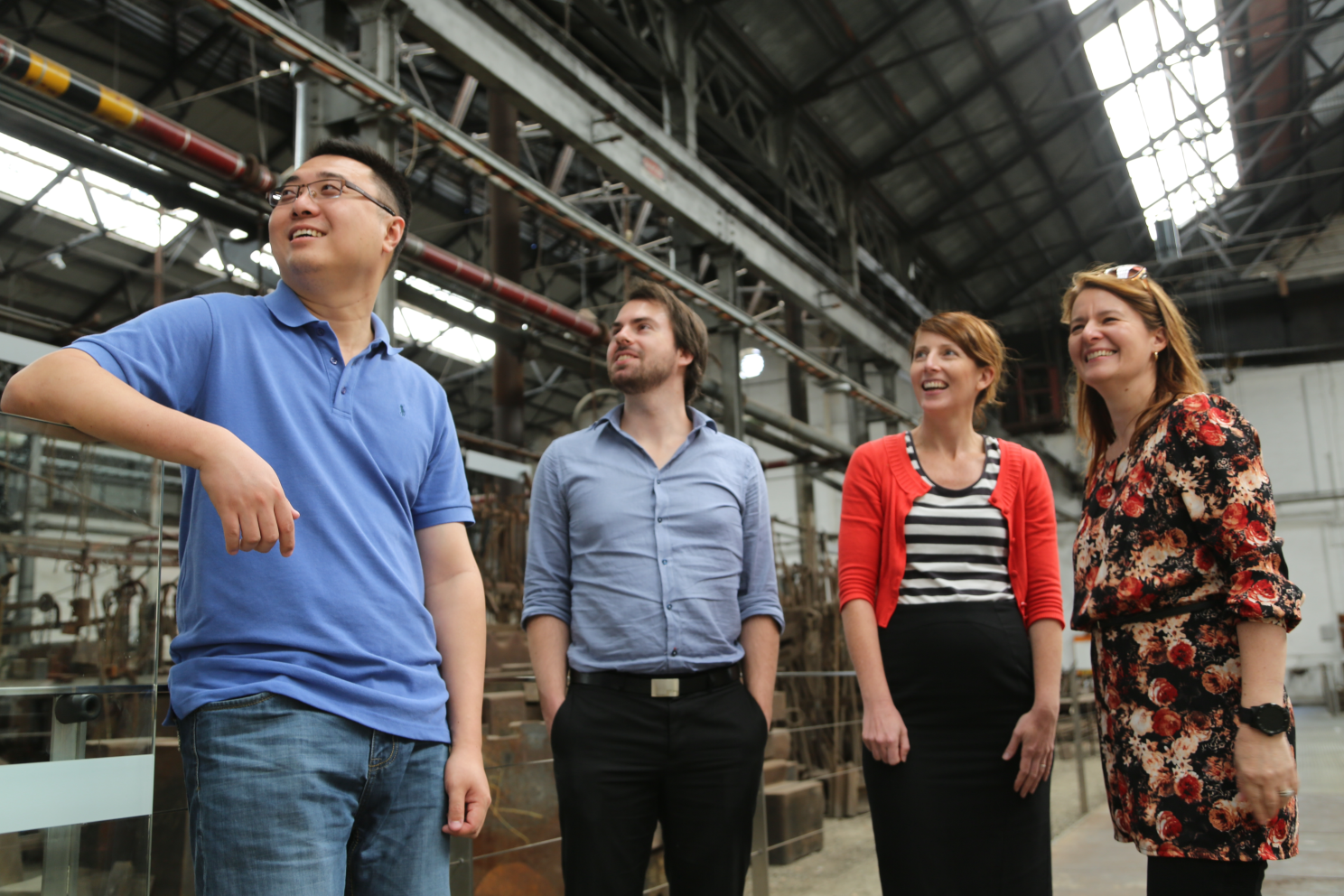
ON Accelerate Team in 2016 ON Accelerate Team in 2016

During ON Accelerate, we built a great relationship with Phil from Main Sequence Ventures. Nathan gave the final presentation on pitch night and did an amazing job (I was on holiday in Germany)! We received some funding from CSIRO to continue preparing for spin-out. After that, I was on the rollercoaster of raising capital, while Data61 started reallocating team members to other groups as the government grant for the team was running out.

It would take until 2018 to actually close our Seed Investment round. At this time, only Nathan and I were still working on Coviu, and I was only part-time. Main Sequence Ventures saw the opportunity and invested Seed funding and in May 2018, Nathan and I were the first Coviu staff and needed to find ourselves new offices. At that time, we only had a small customer base and not enough recurring revenue coming in to cover expenses, so we really had to make the investment money work for us by keeping costs low and looking to get new customers at every opportunity.
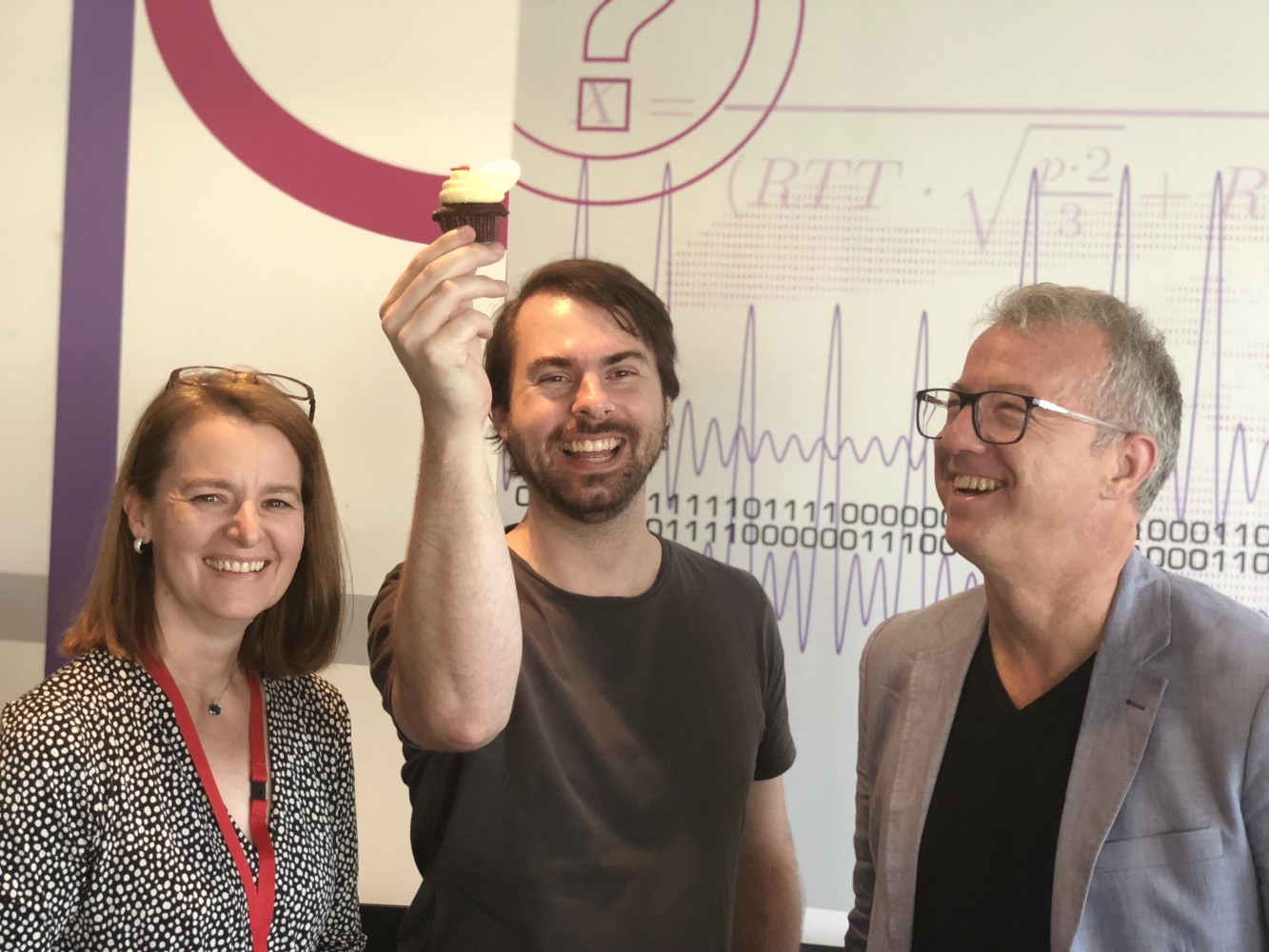
Investment Party at Data61 in 2018 Investment Party at Data61 in 2018

LEARNINGS:

This was a tough journey - don’t underestimate how difficult it is to:

  • create a product that people are willing to pay for,
  • reach an agreement with a research institute about how to create a company jointly,
  • spin a team out of a research institute, and
  • raise your first external investment round.

I can honestly say that without the help of so many people within CSIRO and outside, it would not have happened. Thanks to you all!

I also took part in another five accelerators in addition to ON Accelerate to learn more about marketing and how to run and grow a business, just to be prepared for what would come next. All those learnings were important, but I only picked accelerators that wouldn’t ask for shares.

4. The startup is alive!!

Here we were, having taken the step into independence and facing the challenge of creating a company. Some key components to take care of: hiring, company culture, mission, product, marketing & sales, operations, and a new website.

Nathan and I actually started with ground rules for the kind of people we wanted to hire and the kind of culture we wanted to build. A couple of key components were that we wanted to hire self-motivated, competent team members with a drive for constant learning and improvement and getting stuff done. We wanted to remain scrappy and retain our entrepreneurial spirit to make a difference with little resources. And we wanted people to respect each other and care for the team.

Our mission was set from the start to be making healthcare more accessible for patients through digital technology and that’s still the foundation of the company and has helped attract the right kind of staff.

With Nathan in QLD and me in NSW, we were always going to build a company with a remote working culture, which suited us both. We hired a remote marketing manager and got to work setting up a marketing strategy. At the same time, Nathan continued working on improving the product and I looked after the operational and financial side of things. Nathan hired two junior software engineers, and we set up an office in Brisbane as the engineers worked better together in the same room, especially in the early days. The more customers we got, the more requirements on the reliability and functionality of our product were uncovered. Hiring sales and marketing staff was next on the list, so we set up in a startup workspace in Sydney also.

We went to conferences to expand our reach and noticed that Facebook marketing didn’t work for us but that we would see an increase in customers after every conference - a pattern that has continued to be true throughout Coviu’s lifetime. Even with small customers, direct conversations with leads is the way to close them if you’re starting to sell in Healthcare.

We also managed to win a couple of smaller and bigger government grants that were strategically placed to push our product forward in certain areas and helped mature us as a company. We began selling to smaller practices that would deliver services into rural and remote areas, mainly in Allied Health. In parallel, we did some projects with “enterprise” customers - i.e. larger, multi-location healthcare providers - that would expand our product to their specific needs. Always with a strategic view toward growing the platform’s capabilities and aligning with future customers’ needs.

We introduced an annual “offsite” for the company, which for a distributed company like Coviu really means it’s an on-site where staff would meet and work at the same place together once a year. These were great for staff morale, annual planning, and to build relationships. Our early offsites were held in Airbnb-rented houses with enough rooms for the whole team and large sitting rooms to hold our sessions. These offsites were always a lot of fun while also getting much work done.
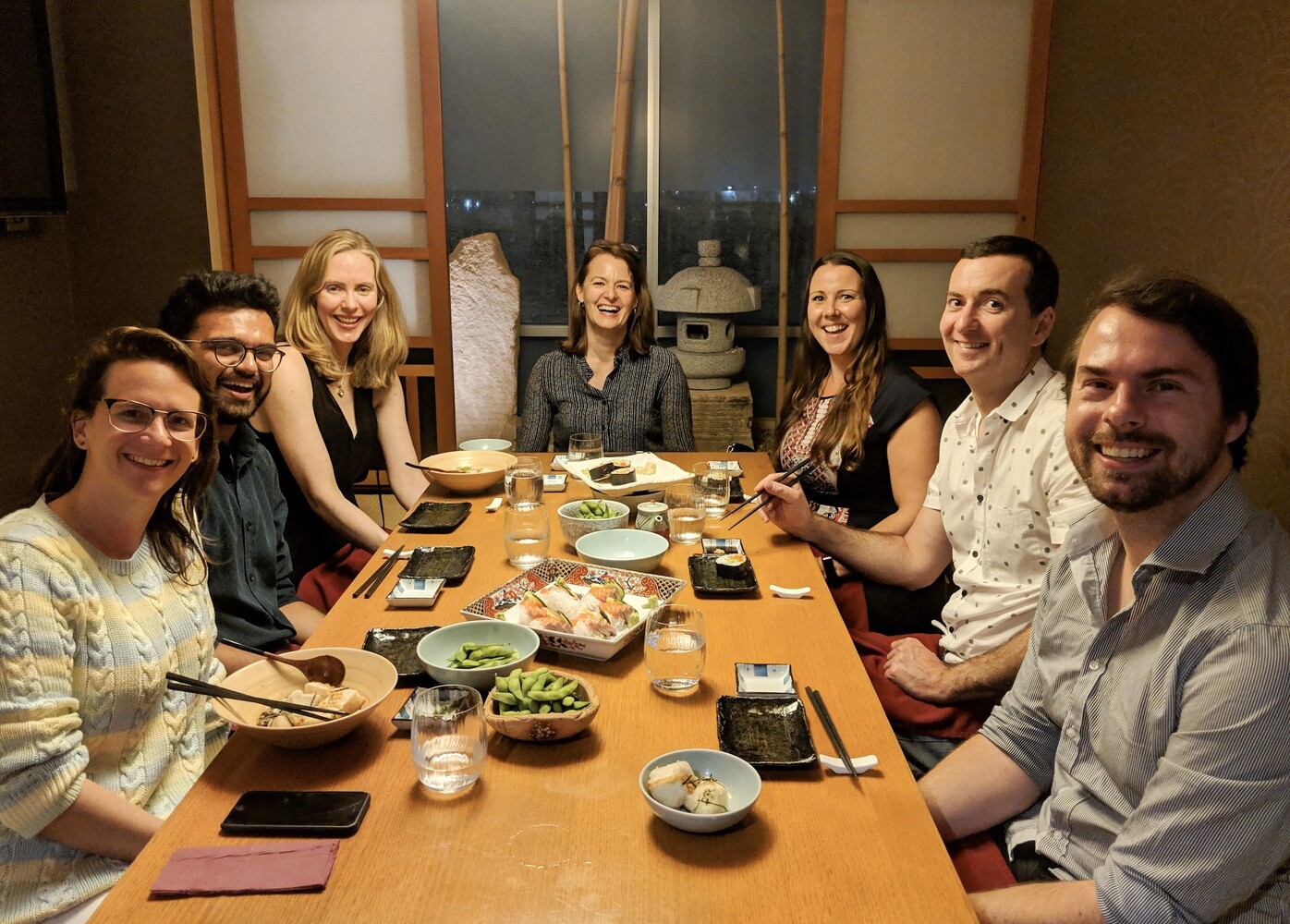
First Coviu Offsite in December 2018 First Coviu Offsite in December 2018

The early days were a rollercoaster with lots of great and terrible days. I remember once taking a call with a customer who screamed at me for 30 minutes that our software wasn’t working for her with her rural patients and that we were making it impossible for her to make therapeutic progress. I couldn’t get a word in edgewise to solve her technical problems. But I could understand how much she cared about her patients and just wanted the best experience for them, and I felt her pain. We knew we had to do better and always retained that drive to continuously improve. After all, we’re here to improve people’s access to healthcare, and that’s as important as it gets.

LEARNINGS:

There are so many learnings from the early days!

  • Hiring is always a challenge and you will hire different people in the early days than later. In the beginning, you need all-rounders, people who are prepared to do what it takes, no matter their job description. You can hire specialists later.
  • Building a culture in a distributed company is hard, and it needs to be done with intention and repetition. You need to create rituals and have many more meetings than you would probably do when everybody is co-located. It also takes a certain maturity with staff to be able to be self-sufficient, get through problems and know when to ask for help, as nobody will observe your struggles at home. The offsites were so important, as were our weekly team meetings. And it helped that we had a Brisbane and a Sydney co-working space at the beginning.
  • Selling wasn’t easy in the early days, and all our staff needed to know the product inside out and how to do an elevator pitch as every individual clinician counted. Everybody had an impact and contributed to growing the company. Building out templates for customer presentations, standard customer contracts, standard pricing tables, demo materials, support materials, software documentation, test suites etc, were all important to move us forward.
  • Like many SaaS companies, we started by selling to the small businesses in our target market (i.e. private healthcare practices). The amount of functionality required to land an Enterprise customer takes years to develop. It includes regulatory compliance, a security posture and reporting that is hard to do in the early days. It wasn’t possible to jump at government tenders and the like immediately. We had to make our way there.
  • Government grants can be a great source of free investment money, but can also side-track you, so be careful what you bid for, as the reporting requirements and the project management on grants can be excessive. One of the grants that we won built us an amazing partnership that continues to carry us forward even today.
  • We also expanded our team size through interns, some of whom were amazing and some not so successful. We had one intern in particular who stayed with us for a long time and was a great contributor, so it can be very successful and rewarding.
  • Key was not to run out of money - the R&D Tax rebate was important and we had to make sure that we could pay our staff from SaaS recurring revenue and custom contracts that we agreed to undertake.

The early days were really just about not giving up. We knew we were impacting people’s lives, which carried us forward. We also knew that we could only build a profitable business if we achieved scale because individual practitioners weren’t paying much money, so we just had to continue pushing the barrel up the hill until it would get momentum.

5. Unexpected silver linings: success

The momentum came with the COVID-19 pandemic in March 2020 (and yes, it is a complete coincidence that our name is one letter different from the pandemic). It took the prior year’s work to be ready for that success.

We had built ourselves a trust network in the healthcare industry. We were connected with medical industry associations that called us on the day that the Medicare MBS telehealth items were made available to ask for discount codes for their members as they were giving them recommendations on which telehealth platforms were clinically focused and to be trusted from a privacy, data encryption and data sovereignty point of view. This is how the storm of phone calls, demos and self-signups on our website was started.

We also had a partnership with Healthdirect, the government organisation that - as one of their digital health projects - supplies public hospitals in several states and all GPs with a free telehealth platform, funded by state and federal health departments. Their updated Video Call platform - which was powered by Coviu - had launched in September 2019, and it was ready to scale for the needs of the pandemic.

Once the MBS items were announced, our Website page views grew by 10,000%, and we grew the number of daily consultations by 5,000% from 400 to 20,000 calls a day. Healthcare providers of all specialties called us at all hours of the day as they were preparing to turn away from in-person consultations to virtual consultations and had no idea how to do this.

The flood of enquiries meant we had to hire and onboard support staff quickly. We had to deal with up to 1,000 enquiries a day - over 20 people were hired in the course of 2 weeks and helped onboard each other as well as new customers. We had set up an online chat support interface, a phone support number, an email support address, demo webinars, and an online knowledge base before the pandemic and these were vital to scaling up our support. We introduced early and late shifts and covered the weekend. Our internal communications revolved around Slack, daily standups, and daily video calls. All these support mechanisms had been set up during the previous years and were vital to train the nation’s healthcare providers and consumers in telehealth and onboard our staff at scale.

We were also only able to convert the storm of new customers because we had set our Web application up with a complete self-service interface - most other telehealth startups had to manually sign up every single clinician, which was not scalable during a pandemic.

Our engineers worked overtime to keep the platform online, scale the demand on our infrastructure and fix bugs exposed through the high demand. We couldn’t work on integrations with EMRs or practice management software or develop other new features until the storm subsided and we had raised a Series A investment round in December 2020. This investment round finally allowed us to develop many of the features clinicians demanded to make telehealth a seamless experience as part of digitally supported workflows in their practice or clinic.

LEARNINGS:

  • If your business model depends on scale, be prepared to scale in all aspects of your business - in sign-ups, customer acquisition, customer support, and technology.
  • Building our brand exposure in our industry through marketing partnerships, press exposure and vendor partnerships was vital to getting recognised as a solution in times of need.
  • It sometimes takes extraordinary events to create the shift in the industry that is needed for your company to succeed - a bit of “luck” and the right timing are just as important as a good product, business model and go-to-market.
  • A team built through fire creates a unique, collaborative company culture, with everybody helping everybody else.
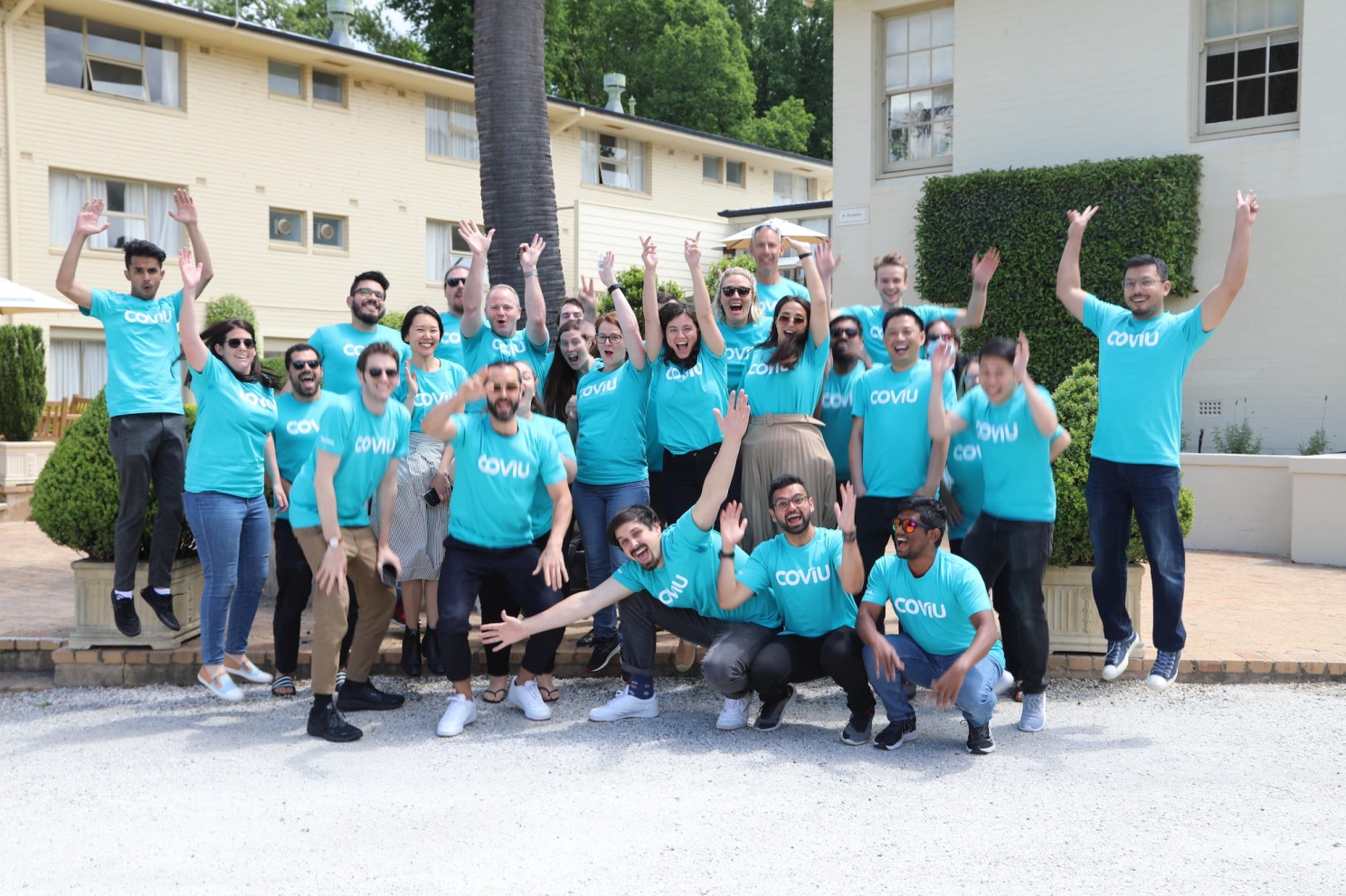
Company Offsite November 2020 Company Offsite November 2020

6. Business as usual: a real company

Once the initial storm of the pandemic subsided, we were able to focus on many things that allowed us to become a real company. It was a real learning to mature each of the following components:

  • Organisational design: develop an org chart, deploy people into departments, and support our cultural maturity through promotion processes and engagement surveys.
  • Productivity: create a product-driven organisation with sprints and regular releases to enable engineering to become the engine of the company and be faster at addressing our bugs and the needs of healthcare providers and patients.
  • Operations: introduction of a centralised business management system covering marketing, sales and customer support from within one unified environment, and introduction of a centralised system of record to store company knowledge such as a detailed staff handbook.
  • Financials: investment through closing series A round, understanding our SaaS metrics, and deeper insights into our business metrics.
  • Expansion: start selling to enterprise customers and find a new strategic growth opportunity in the US.
  • Compliance: HIPAA, ISO27001, TGA SaaMD and the creation of compliant policies and workflows, all of which are needed for enterprise customers.
  • Ecosystem: creation of an Apps marketplace and EMR integrations and APIs to allow us to integrate with other vendors in the healthcare market and make an outstanding customer experience.

This is done to better achieve our mission of making healthcare more accessible for patients through digital technology. It has led to a more mature business that can better meet customer needs.

LEARNINGS:

  • The challenges never stop. They just change. For example: Our sign-ups and usage tracked closely with the waves of COVID making it challenging to know when we were making progress as a company versus just being subject to the whims of the pandemic. Our goal had always been to build a strong, capable and data-driven business, but all our experiments kept being disrupted by COVID, and it was very hard to attribute success to anything but new outbreaks. Only now that things have calmed down can we run experiments that give us real insights into what makes telehealth work for our customers, the clinicians. We’re fortunate that our industry has changed completely and patients now demand telehealth services, so the industry and reimbursement paths are adapting.
  • Never take your eyes off your customers. We’ve realised that what was sufficient functionality-wise for a telehealth platform before the pandemic differs from what is expected post-pandemic. We always, always have an ear for the needs of our customers and continue to address their needs with new and reworked features. This will never stop in a software business.

7. A summary: Perseverance and kindness

Finally, I want to say a word to all the founders who are trying so hard: Be kind to yourself. As a founder, you will make a lot of mistakes, you will fall down and get up again and try again and learn. That’s the only way to improve. Don’t beat yourself up over mistakes - learn from them and move on. It’s a very ungrateful position because nobody will pat you on your back and tell you how well you’ve done. People will typically just demand the next goals to be reached, and that includes your own demands on yourself.

I cherished those moments when our customers told us how much they loved our platform. I cherished the annual 1:1s I did with each one of our staff members where we could talk about their lives at home and at work and what went well and what didn’t. I cherished the Sundays that I tried to keep free of work to spend with my family and relax - it was my way to look back at the previous week’s achievements and recharge for the next week.

Find a way to stand still, look at what you have achieved already, and then gather your focus and energy for the next step, one step at a time. Best of luck to you!
Embracing New Horizons at Coviu and Future Endeavours

Cross-posted from LinkedIn.

Embracing New Horizons at Coviu

Coviu has been the heart of my world for the past decade—first as a project at NICTA/CSIRO, and since 2018, as the proud CEO of the independent company. Today, I can announce that Coviu has evolved into a thriving entity capable of standing on its own feet without me at the helm. I’ve taken a step back as CEO, paving the way for a new leader to guide the company to its next level of success.

My incredible co-founder, engineer-exceptionelle, most level-headed person I know and dear friend Nathan Oehlman has been my partner-in-crime for the last decade and a core reason for the success of Coviu. Thanks for all the great work we’ve achieved together, mate!

As a founder, major shareholder, and director, I continue to hold Coviu dear to my heart. I am fully dedicated to supporting the business and Nathan during this transition as I scale down from a role that demanded 200% of my attention, care, and energy—not to mention, a fair share of my sleep and health. I’m delighted to pass on a thriving, profitable business with operations in the US and AU, along with ample financial reserves for the new CEO to explore innovative growth strategies.

What’s on the table for the new CEO

Establishing a successful healthcare technology company in Australia is no small feat, and I take immense pride in what Nathan and I have accomplished over the last five years since spinning out of the CSIRO. Pre-consolidation, post-pandemic, Coviu boasted a team of 55 across Australia, New Zealand, Canada, and the US. We successfully secured Seed and Series A investments, resulting in a remarkable 10x valuation increase for our initial investors. Today, we support over 100,000 clinicians and have touched the lives of more than 10 million patients through our incredible customers—a feat that truly warms my heart.

Our diverse customer base includes the Australian government via various state education departments, Healthdirect (state and federal health departments), and Leidos (defense department). We also service not-for-profit healthcare organisations, universities, and a wide range of for-profit healthcare entities. Coviu has become a household name in Australia’s digital health landscape and is making strides in the US, particularly in the special education sector.

Because of the challenges posed by post-pandemic global economies, including high inflation and interest rates, and a cautious approach to investment, Coviu has successfully navigated through consolidation and is net profitable. The company stands in an excellent position, with funds available for growth projects, ready for the capable hands of a professional CEO to usher in its next chapter.

I’m also immensely grateful for the great team and culture that we have built. I leave behind a lot of great colleagues and friends, and I have no doubt that the team will rally behind the new CEO to take Coviu to the next level.

What’s next for me

As I transition into a non-executive director role at Coviu and step away from operational duties, I’m eager to embrace new challenges. With a background in efficient technology setup, startup insights, and a deep understanding of healthcare’s digital evolution, I see a myriad of opportunities ahead.

I intend to stay in healthcare as I love the impact that this industry has on people’s lives. I am passionate about supporting healthtech startups, particularly those founded by women, to develop impactful and commercially viable solutions. I want to contribute my knowledge about technology and tech standards to digitally empower Australia’s healthcare system to meet the challenges of the 21st century.

Efficient use of resources through operationally effective organisation design has been a core part of the success of Coviu—a need I observed in countless healthcare organisations. I’m incredibly excited about what FHIR and AI will allow us to do when combined with a highly productive healthcare workforce.

Above all, I want to make a positive difference. As 2024 unfolds, my plans are wide open and I am curious about what challenges the New Year has in store for me!

Telehealth in Aged Care in Australia

Cross-posted from LinkedIn.

Telehealth in Aged Care in Australia

Telehealth in RACFs has finally become a topic of interest across our nation. We’re seeing several PHNs trying to figure out how to put the complex picture together that makes an RACF receive video and phone telehealth consultations from GPs, Allied Health providers, specialists, emergency triage, wound care technology and sophisticated remote patient monitoring technologies, e.g. in South Australia.

Medicare has this far exclusively focused on the clinician end of telehealth. And so has the Healthdirect Video Call platform, which is sponsored by the Federal Health Department to support the delivery of telehealth by GPs. This includes delivery into RACFs.

What is not clearly understood are the challenges that occur at the RACF end. It’s not enough to enable clinicians with telehealth capability. That works when a patient at home clicks through to a video appointment that they made with a GP.

In RACFs, you have many patients that are typically unable to organise their own GP appointments, or manage to use a digital device to set up a video call. They are in an RACF because they need a carer to look after them regularly - otherwise they would continue to receive Home care.

A person in an RACF can have their family looking after their GP appointments. If there is no family support, this task falls to a nurse paid for by the RACF provider to deliver care. RACF staff are very busy and have little time to look after residents’ early intervention needs. And yet, it’s those early interventions that when looked after will lead to reduced usage of emergency departments, better health and longer lives.

So, what is really required to make telehealth in RACFs work?

I think there are two key things required that together will enable care excellence.

1. First the human side

A RACF resident who regularly does their exercises, eats according to their diet, possibly sees their counsellor and sees their GP regularly to undertake recommended regular checks will be happier and healthier and require less intensive care by the RACF.

Yet, to get them regularly in front of an exercise physiologist, dietitian, counsellor and GP requires an amount of effort that cannot be provided by existing RACF staff. Yes, all of these providers can do telehealth and much of it is reimbursable by Medicare. But there’s nobody doing the logistics on the patient end.

RACFs need funding for Telehealth Coordinators - staff that can make sure to organise the telehealth appointments regularly, set the technology up for the resident, make sure they attend and follow up on any subsequent tasks such as changing prescriptions in the RACF care system. All of these tasks are necessary and none require a qualified healthcare professional - it would be a waste to spend a nurse’s time on these tasks. These tasks also cannot be done by the remote practitioner.

Where would the funding for a Telehealth Coordinator role come from? It could be that Medicare introduces a reimbursement for nursing staff at the RACF - for so-called patient end support services. These fee per service reimbursements would allow the RACFs to hire a Telehealth Coordinator when supporting a large number of residents.

Alternatively, the money could come from PHNs who are supposed to support the primary care delivery of services in their regions. They could fund Telehealth Coordinators in RACFs based on the number of residents in an RACF and be the mediator for getting sufficient practitioners on board for delivery of the service.

That latter part of getting the right clinicians together to allow delivery of allied health, GP and specialist services, is actually another really challenging task for offering telehealth care into RACFs. It’s not like the local GP alone will do.

Residents have varied requirements for preventative health, for repetitive therapy, and for specialist care in times of urgency. A good telehealth service offering for a RACF therefore consists of a diverse set of practitioners both from local regions and at times from more remote specialists.

An RACF’s Telehealth Coordinator could be the person to build a list of practitioners that frequently support the RACF. Or alternatively this is done by the PHN for all the RACFs in their region.

2. Secondly, the technical side

Who needs to participate in a telehealth consult for an RACF resident?

For a GP consult, a counselling session or a dietitian advice, it’s highly likely that it’s sufficient to have the patient and the practitioner attend, accompanied by a RACF staff member, likely a nurse or the Telehealth Coordinator. The idea behind having a RACF staff member attend is to provide for improved communication during the consultation as well as documentation and follow-through of any follow-up items by the RACF. This might be a change in medication, a change in diet or a need for different entertainment for the resident.

An exercise physiology session may be an individual therapeutic session or group therapy. You can imagine that the exercise physiologist might be displayed on a larger monitor or projected screen and a number of residents participate in following along with the exercises. So the setup for such a telehealth consultation can be quite different.

For a specialist consultation, it may be necessary to add the GP to the session, e.g. as a hand-over post surgery or in case ongoing care requirements have changed. If a nurse practitioner is available at the RACF, they can also fulfil that role.

These few examples demonstrate that the technology in use for telehealth at an RACF needs to allow for individual consultations, care team consultations and group therapy consultations with several RACF residents in participation.

They also demonstrate that the setup of a consultation may get rather complicated and rely on the punctual attendance of several local and remote participants. Punctual attendance is something that primary care practitioners will have to embrace and organise their own medical practice around as much as possible. It may require reminders and notifications to the practice staff on their end to ascertain they turn up on time, but also to the Telehealth Coordinator to ascertain the RACF staff members and residents are available at the pre-allocated time.

Next I’d like to consider the requirements on managing the bookings of telehealth consultations. At the RACF, a Telehealth Coordinator will have access to the care and clinical software at the RACF where a resident’s medical records are kept. They will also need access to the RACF management software where the schedules of all residents and staff are planned. It’s here that bookings for telehealth consultations should be managed to make sure the right staff and residents end up in the right place at the right time.

But the booking needs to also make sure the providers are available. So, the Telehealth Coordinator may first need to find appropriate available time slots from the healthcare providers, then match that with available slots in the RACF. Once a slot has been identified, the booking needs to be made immediately to block out the time slot for all participants. This can be an arduous process and is best supported through an integrated booking system with access to provider schedules and RACF schedules.

Finally let’s consider record keeping of the consultation. All involved practitioners will of course keep their own records of the consultations in whichever practice management software they use. But the RACF also has a duty of care and will need to keep its own records in the care and clinical software. So, a telehealth software that supports RACF telehealth service delivery may need to allow practitioners to provide a summary of the consultation and add it to the RACF care and clinical software with some additional notes by the RACF staff, potentially including new prescriptions and changes to the medication schedule.

Doing all of these processes manually is very time-consuming and there aren’t enough RACF staff available to do them. Certainly, these tasks cannot be added to a busy nurse’s schedule.

Providing access to a panel of telehealth enabled providers, their appointment booking systems, the RACF’s scheduling system and adequate record keeping post the telehealth consultations are some of the key functionalities that an integrated telehealth solution should support to alleviate the administrative burdens in the RACF.

Coviu has the potential to be that system, particularly when all the clinicians are using Coviu for offering care and a federated app can allow for a unified booking system to all the providers. The creation of integrations with practice management software systems and with care and clinical RACF software are key to the delivery of efficiencies to RACFs.

Artificial Intelligence for Physiotherapy

Cross-posted from LinkedIn.

HealthHack Sydney 2017

(First published at: https://blog.coviu.com/2018/02/02/artificial-intelligence-for-physiotherapy/)

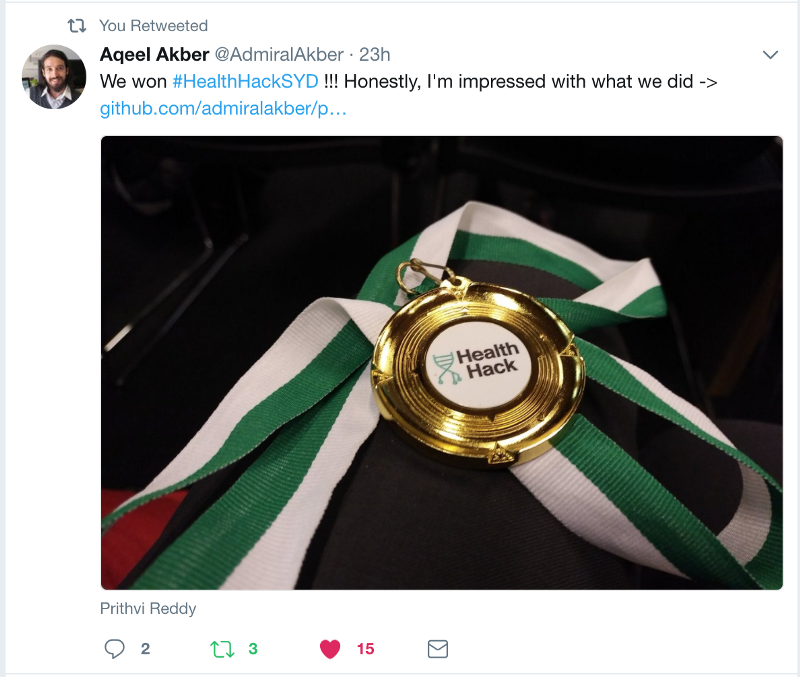
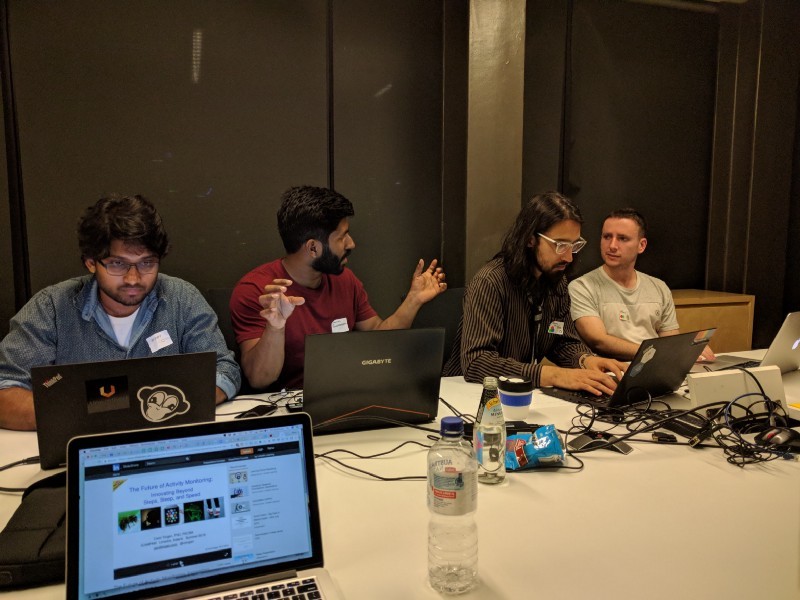
Over the last weekend in October 2017, Coviu took part in the Sydney HealthHack event with the submission of an interesting problem: CAPTURING REHABILITATION THERAPY PROGRESS THROUGH ARTIFICIAL INTELLIGENCE. The team was so awesome and what was achieved blew our minds and apparently also the minds of the judges, because this project won the 2017 HealthHack in Sydney!

HealthHack Sydney 2017 winning tweet

The challenge

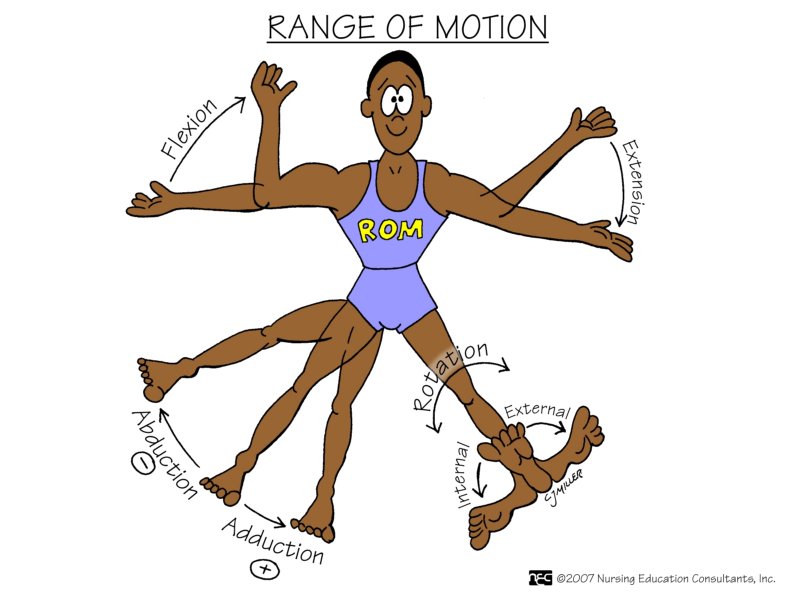
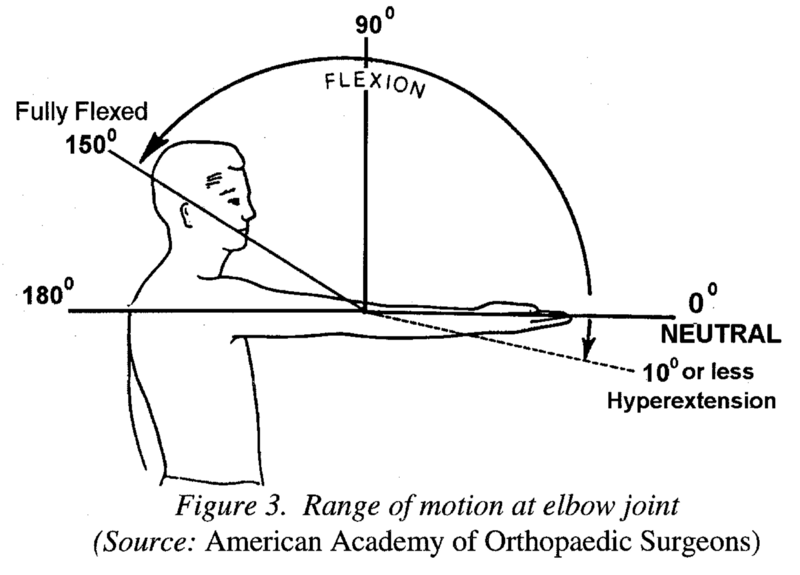
The challenge that we posed was to track the progress of Range of Motion (ROM) abilities of physiotherapy patients using Computer Vision. Range of Motion is tracked by physiotherapists by measuring the angles of the motion of limbs around a joint.

Range of Motion

ROM may get limited through a surgery, an accident, a stroke or other causes. Reportedly, up to 70% of patients give up physiotherapy too early — often because they cannot see the progress. Automated tracking of ROM via a mobile app could help patients reach their physiotherapy goals.

Similarly, physiotherapists that provide therapy (e.g. via video consultation using Coviu) could profit from automated tracking of ROM between therapy sessions to more accurately, objectively and easily track patient progress and to get better documentation about patient progress.

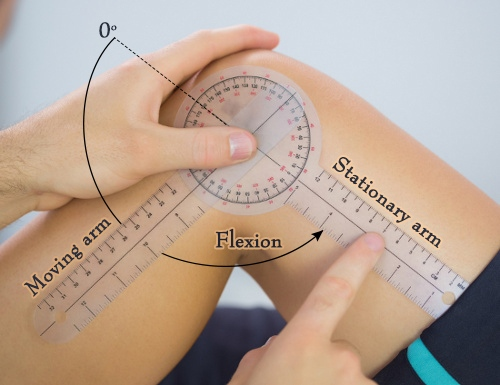
Currently, the recommended approach for physiotherapists to measure the angles is the so-called goniometer, but its use is cumbersome and not always accurate since it interferes with the motion path of the patient.

The Goniometer

Another solution in use is a computerised system that requires patients to wear sensors. This is certainly not usable by patient at home.

The solution

The proposed idea for this challenge was to use a video camera to capture a person’s movement and objectively calculate the angles between their limbs through Computer Vision, preferably in real-time. In addition, an automated progress report would be created.

This would help a physio become more objective in their work and do less paperwork at the same time. Ideally, the ROM analysis would be done in real-time during a live consultation, which could be held online.

The team and its achievement

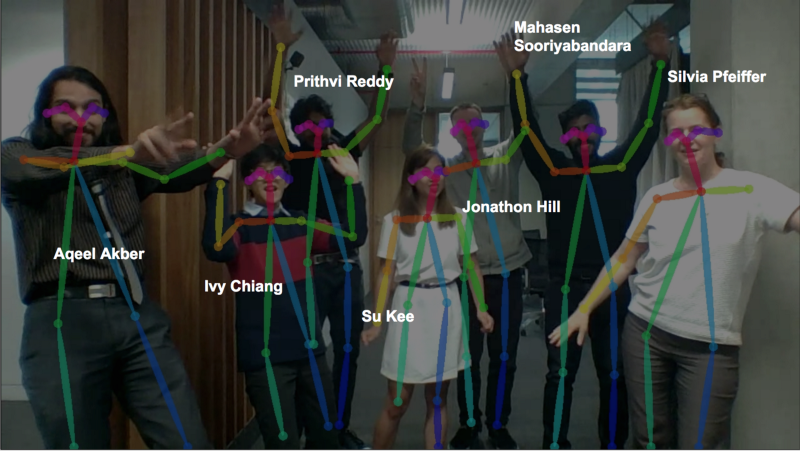
The team of 7 that got together to take on the challenge was amazing:

The team

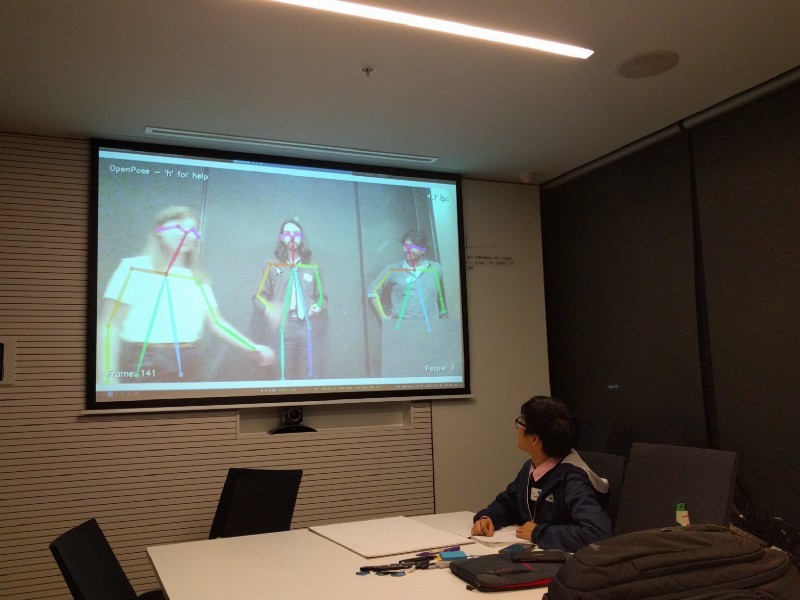
Aqeel, Prithvi & Mahasen came all the way from Canberra on a bus to attend HealthHack. Being PhD candidates in physics, they were looking for a challenging project and this was it! They even dug into the Computer Vision libraries during their bus trip from Canberra and made the “stick figures” work before arriving in Sydney!

Prithvi, Mahasen, Aqeel & Jono at work Prithvi, Mahasen, Aqeel & Jono at work
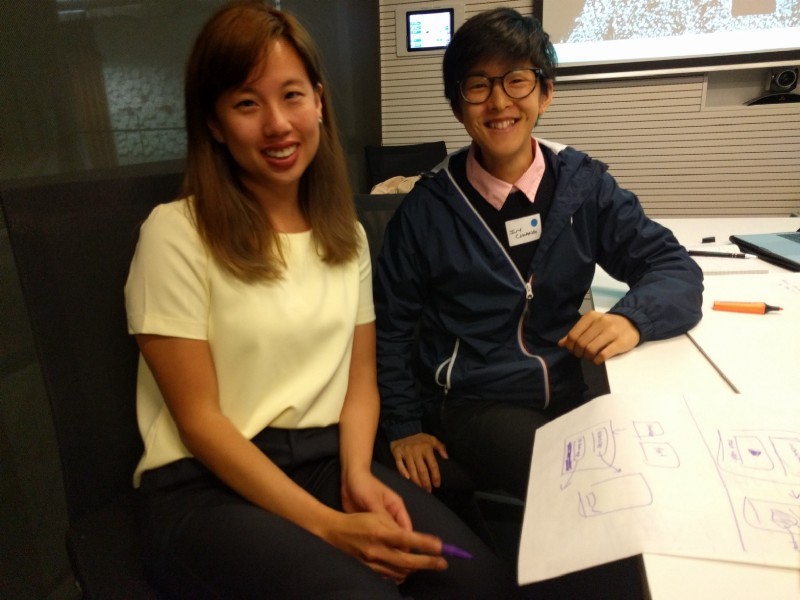
Jono and Silvia focused on the Web development parts of the challenge. Ivy and Su joined as UI/UX designers with Su also providing a healthcare background.

Su and Ivy at work Su and Ivy at work

And with that we had all the capabilities we needed. On top of this, every single person in the project came with a positive attitude, with the will to collaborate and to have fun — a perfect environment to achieve. In fact, Ivy, Aqeel, Prithvi & Mahasen all had previously won other Hackathons — what a star team!

First experiments Friday evening First experiments Friday evening
We first sorted out the details of what we wanted to achieve on the Friday evening and could then focus on delivering on the second day. The enthusiasm by our visiting physicists was astounding — they worked through the night to bring up a python based Web service and the algorithm to calculate the angles. By Saturday midday, the first version of automated ROM calculation was working:

At the same time, our UX team discussed how this would best be delivered to patients and physiotherapists and built a user story together with a whole set of wireframes for application interfaces, both for a stand-alone patient application as well as for a potential integration into Coviu. They wanted to create a design that would help the patient with routine and features to improve.

On Saturday by 5pm, when the pitches for the different projects were due, we had finalised not only the demo, but also put together a really awesome pitch deck.

The approach

For those interested in the technical details, the code is published in this GitHub repo: https://github.com/admiralakber/physio-rom

We used the CMU library openpose to calculate limbs and joints. Its capabilities are really quite impressive. The outcome of the calculation is a JSON file that contains all the positions of limbs and joints.

From the JSON file, the team calculated the angles and returned that as another JSON file that was rendered on top of the video.

Angles of arm motion Angles of arm motion
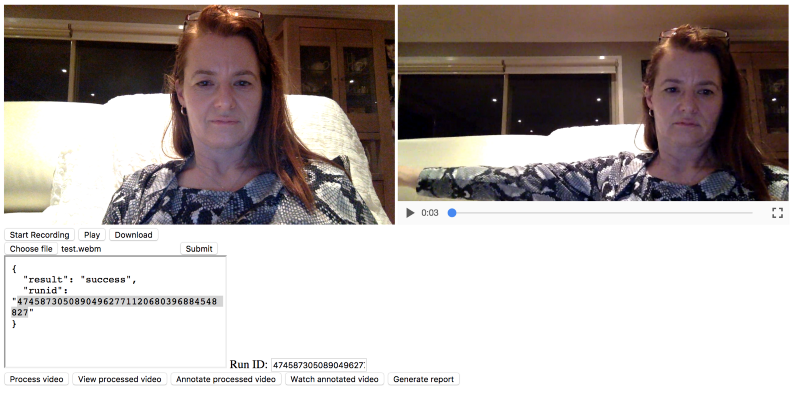
To capture the video we developed a Web page that is using the new browser video APIs (getUserMedia and MediaRecorder) to capture the video from the camera and record it to a file. This code is based on Sam Dutton’s Media Recorder example.

Web page that records video and sends for analysis Web page that records video and sends for analysis
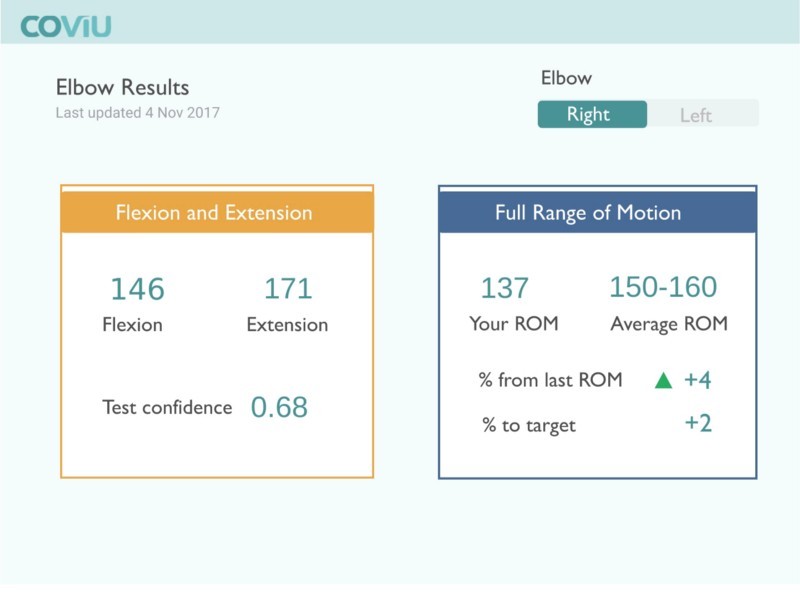
Finally, there was also an algorithm to analyse the results of the angles and aggregate in a report for the physiotherapist:

Reporting the ROM test results Reporting the ROM test results

Here is the team’s final talk and demo:

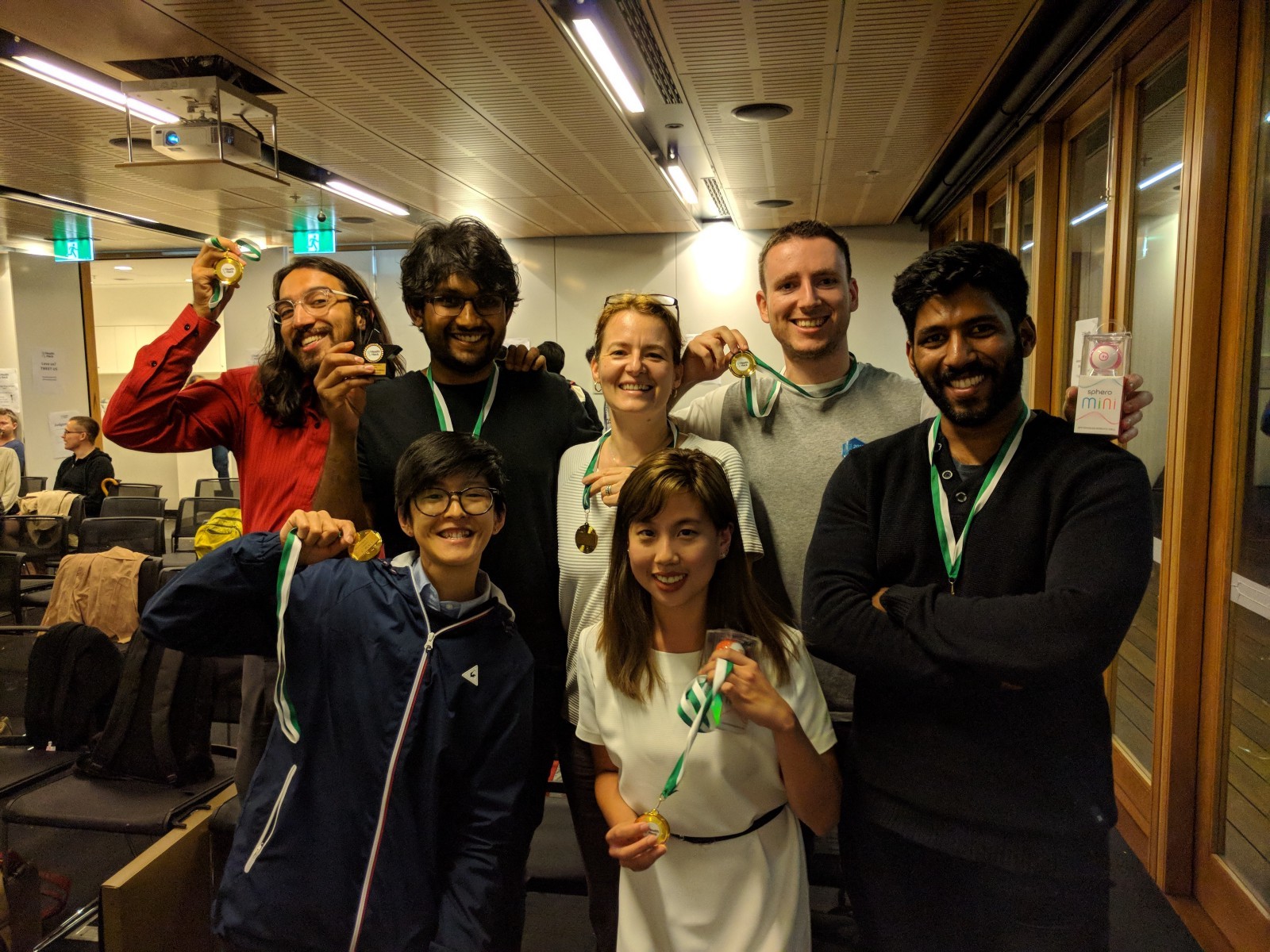
And so it came that after a successful pitch and demonstration, this team won the HealthHack 2017 challenge.

The winning team

Next Steps

The project was so successful and the team had so much fun together that there was chatter about how we could continue to work together. There is certainly a lot to do before this is turned into an actual product, but all the key parts exist. What an amazing outcome — congratulations!


If you are a physiotherapist, we’d like to get your feedback about this technology and its potential.

My journey to Coviu

My new startup just released our MVP - this is the story of what got me here.

I love creating new applications that let people do their work better or in a manner that wasn’t possible before.

German building and loan socity

My first such passion was as a student intern when I built a system for a building and loan association’s monthly customer magazine. The group I worked with was managing their advertiser contacts through a set of paper cards and I wrote a dBase based system (yes, that long ago) that would manage their customer relationships. They loved it - until it got replaced by an SAP system that cost 100 times what I cost them, had really poor UX, and only gave them half the functionality. It was a corporate system with ongoing support, which made all the difference to them.

The story repeated itself with a CRM for my Uncle’s construction company, and with a resume and quotation management system for Accenture right after Uni, both of which I left behind when I decided to go into research.

Even as a PhD student, I never lost sight of challenges that people were facing and wanted to develop technology to overcome problems. The aim of my PhD thesis was to prepare for the oncoming onslaught of audio and video on the Internet (yes, this was 1994!) by developing algorithms to automatically extract and locate information in such files, which would enable users to structure, index and search such content.

Many of the use cases that we explored are now part of products or continue to be challenges: finding music that matches your preferences, identifying music or video pieces e.g. to count ads on the radio or to mark copyright infringement, or the automated creation of video summaries such as trailers.

CSIRO

This continued when I joined the CSIRO in Australia - I was working on segmenting speech into words or talk spurts since that would simplify captioning & subtitling, and on MPEG-7 which was a (slightly over-engineered) standard to structure metadata about audio and video.

In 2001 I had the idea of replicating the Web for videos: i.e. creating hyperlinked and searchable video-only experiences. We called it “Annodex” for annotated and indexed video and it needed full-screen hyperlinked video in browsers - man were we ahead of our time! It was my first step into standards, got several IETF RFCs to my name, and started my involvement with open codecs through Xiph.

vquence logoAround the time that YouTube was founded in 2006, I founded Vquence - originally a video search company for the Web, but pivoted to a video metadata mining company. Vquence still exists and continues to sell its data to channel partners, but it lacks the user impact that has always driven my work.

As the video element started being developed for HTML5, I had to get involved. I contributed many use cases to the W3C, became a co-editor of the HTML5 spec and focused on video captioning with WebVTT while contracting to Mozilla and later to Google. We made huge progress and today the technology exists to publish video on the Web with captions, making the Web more inclusive for everybody. I contributed code to YouTube and Google Chrome, but was keen to make a bigger impact again.

NICTA logoThe opportunity came when a couple of former CSIRO colleagues who now worked for NICTA approached me to get me interested in addressing new use cases for video conferencing in the context of WebRTC. We worked on a kiosk-style solution to service delivery for large service organisations, particularly targeting government. The emerging WebRTC standard posed many technical challenges that we addressed by building rtc.io , by contributing to the standards, and registering bugs on the browsers.

Fast-forward through the development of a few further custom solutions for customers in health and education and we are starting to see patterns of need emerge. The core learning that we’ve come away with is that to get things done, you have to go beyond “talking heads” in a video call. It’s not just about seeing the other person, but much more about having a shared view of the things that need to be worked on and a shared way of interacting with them. Also, we learnt that the things that are being worked on are quite varied and may include multiple input cameras, digital documents, Web pages, applications, device data, controls, forms.

Coviu logoSo we set out to build a solution that would enable productive remote collaboration to take place. It would need to provide an excellent user experience, it would need to be simple to work with, provide for the standard use cases out of the box, yet be architected to be extensible for specialised data sharing needs that we knew some of our customers had. It would need to be usable directly on Coviu.com, but also able to integrate with specialised applications that some of our customers were already using, such as the applications that they spend most of their time in (CRMs, practice management systems, learning management systems, team chat systems). It would need to require our customers to sign up, yet their clients to join a call without sign-up.

Collaboration is a big problem. People are continuing to get more comfortable with technology and are less and less inclined to travel distances just to get a service done. In a country as large as Australia, where 12% of the population lives in rural and remote areas, people may not even be able to travel distances, particularly to receive or provide recurring or specialised services, or to achieve work/life balance. To make the world a global village, we need to be able to work together better remotely.

The need for collaboration is being recognised by specialised Web applications already, such as the LiveShare feature of Invision for Designers, Codassium for pair programming, or the recently announced Dropbox Paper. Few go all the way to video - WebRTC is still regarded as a complicated feature to support.

Coviu in action

With Coviu, we’d like to offer a collaboration feature to every Web app. We now have a Web app that provides a modern and beautifully designed collaboration interface. To enable other Web apps to integrate it, we are now developing an API. Integration may entail customisation of the data sharing part of Coviu - something Coviu has been designed for. How to replicate the data and keep it consistent when people collaborate remotely - that is where Coviu makes a difference.

We have started our journey and have just launched free signup to the Coviu base product, which allows individuals to own their own “room” (i.e. a fixed URL) in which to collaborate with others. A huge shout out goes to everyone in the Coviu team - a pretty amazing group of people - who have turned the app from an idea to reality. You are all awesome!

With Coviu you can share and annotate:

  • images (show your mum photos of your last holidays, or get feedback on an architecture diagram from a customer),
  • pdf files (give a presentation remotely, or walk a customer through a contract),
  • whiteboards (brainstorm with a colleague), and
  • share an application window (watch a YouTube video together, or work through your task list with your colleagues).

All of these are regarded as “shared documents” in Coviu and thus have zooming and annotations features and are listed in a document tray for ease of navigation.

This is just the beginning of how we want to make working together online more productive. Give it a go and let us know what you think.

http://coviu.com/